
In February 2025, Kenya’s President William Ruto signed a groundbreaking executive order abolishing the discriminatory practice of ID vetting, a significant step following years of advocacy by Namati Kenya, partner civil society organizations and grassroots communities. This order aims to address discrimination for Kenyans – primarily those of Islamic faith – who faced extra steps and scrutiny when seeking to get ID documents. Now, Kenyans seeking to get national ID cards will not have to appear before vetting committees for an extraneous process to “prove” their nationality when applying for an ID, even after providing the necessary supporting documentation.
This marks the first time a Kenyan president has publicly acknowledged the unconstitutional nature of this discriminatory system, calling it unjust and declaring that citizens should “feel like Kenyans without any discrimination.”
In May 2024, the government had earlier declared that vetting committees would be abolished and began implementing new ID registration guidelines aimed at removing the extra vetting steps for ID application.
In Kenya, about 5 million people – primarily from Muslim-majority communities – have been forced to go through intrusive security screenings, excessive documentation requirements, and unreasonable delays when applying for essential identity documents.
ID vetting is a harmful practice that violates citizenship and associated rights due to ID denials. Lack of an ID limits access to public services, locks people out of economic opportunities such as getting a job, having a bank account or even owning a sim card and perpetuates cycles of poverty.
Before this order, ID vetting had been systematic across Kenya for decades, imposed on ID applicants only because of their religious background. Even when an applicant provided all the necessary supporting documents required by law for ID application, he or she would have to appear before a vetting committee composed of registration and security agents that wielded unchecked power in determining whether applicants get ID documentation. An applicant could wait months or longer to appear before the committee, where he or she would face random questioning and excessive requests for documentation unrelated to citizenship as defined in Kenyan law, often leading to further delays or denial of ID cards.
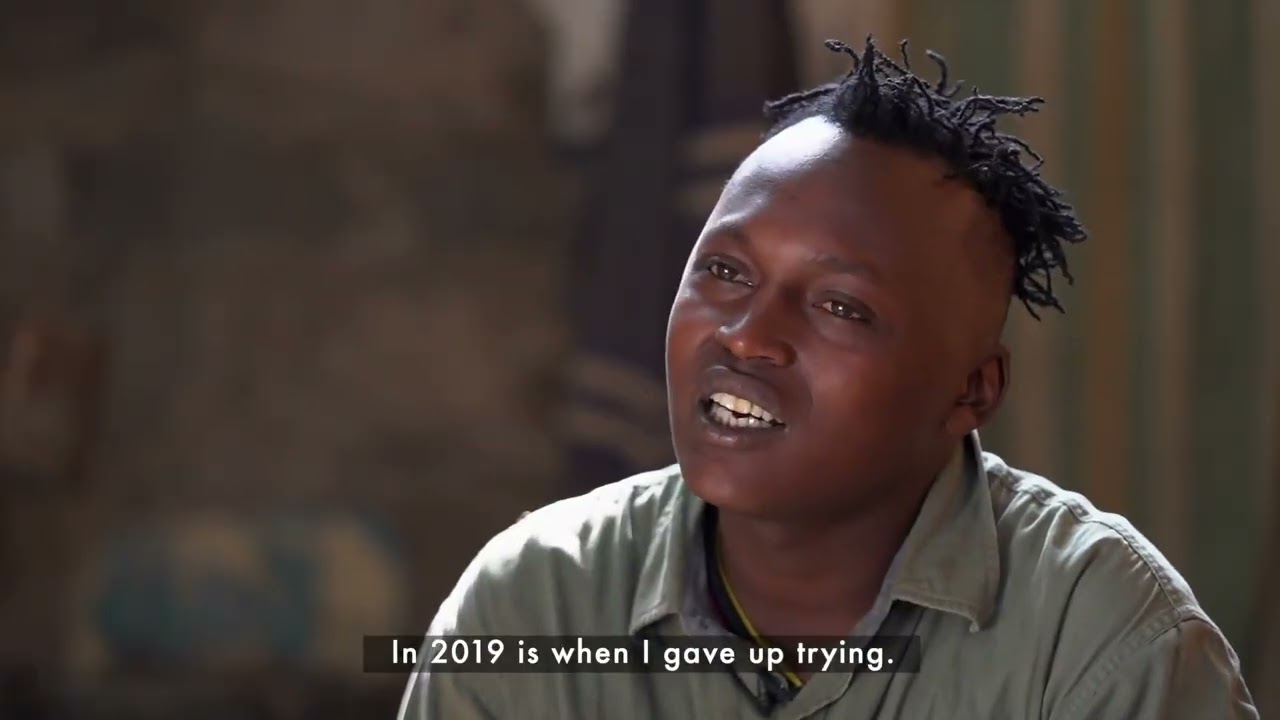
Watch this video for more context on ID vetting:

Namati and partners began to mainstream discussions around exclusion in nationality rights where before it was shrouded in secrecy under the blanket cover of national security. When the work began, many national and grassroots organizations shied away from challenging this discrimination.
Through community organizing, Namati created a platform for highlighting the discriminatory and arbitrary nature of ID vetting, pushing discussions to the national stage. We utilized legal empowerment for communities and elevated the conversation to directly engage policymakers to end ID vetting. In 2015, one of our partner staff Fatuma Abdul Rahman tabled a question on vetting during the presidential debates. Vetting and other forms of exclusion were central to our campaigning around the Huduma Namba digital ID, building a public consciousness around the issues. Community-driven petitions and paralegal case data submitted as part of fact-finding led to Parliament recognizing vetting as discriminatory. Over the years, concerns on ID vetting became central in public discourse leading to the presidential candidates in the 2022 general elections accepting that it was indeed a national issue that needed a resolution. As a result, President Ruto’s party, in its manifesto, adopted marginalization in IDs as a critical action point in his administration. We have since run a focused campaign against vetting on social media and television – see below!
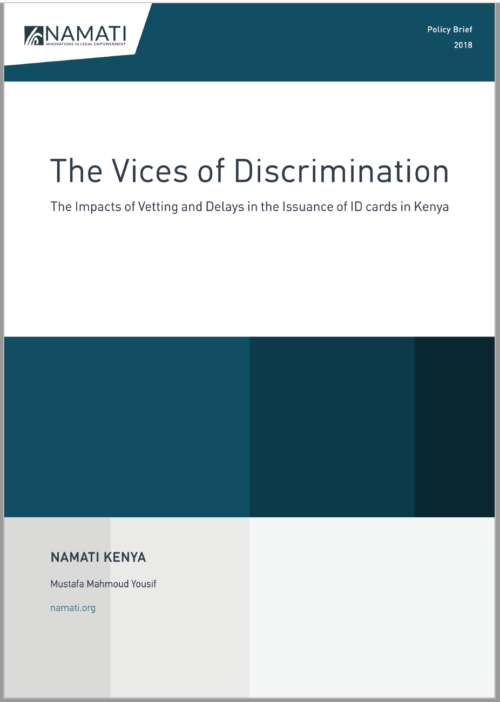
Vetting is discriminatory and impedes millions from accessing Kenyan nationality despite having a clear right to it under Kenyan law. Other ‘mainstream’ communities in Kenya do not face vetting when applying for ID documents and ID applications can take a day with issuance in 21 days.
Read our in-depth statement on the abolishing of vetting committees.
Focus now shifts to monitoring these new practices, preventing any backsliding on our hard-won progress, and pushing for clear, consistent treatment of all ID applicants countrywide and legislative amendments to fully dismantle the legal framework that enabled discrimination. With paralegals actively working across seven counties and the #MyIDMyRight movement continuing to grow, we remain committed to our ultimate goal: ensuring every Kenyan enjoys equal, non-discriminatory access to citizenship documents—the necessary foundation for a full, flourishing life as a Kenyan.
We also remain willing to work with the Government of Kenya to implement the necessary legislative and regulatory changes that would guarantee an equal and fair identification system for all Kenyan citizens, no matter their religious background or region of residence.
)
)
)