Introduction
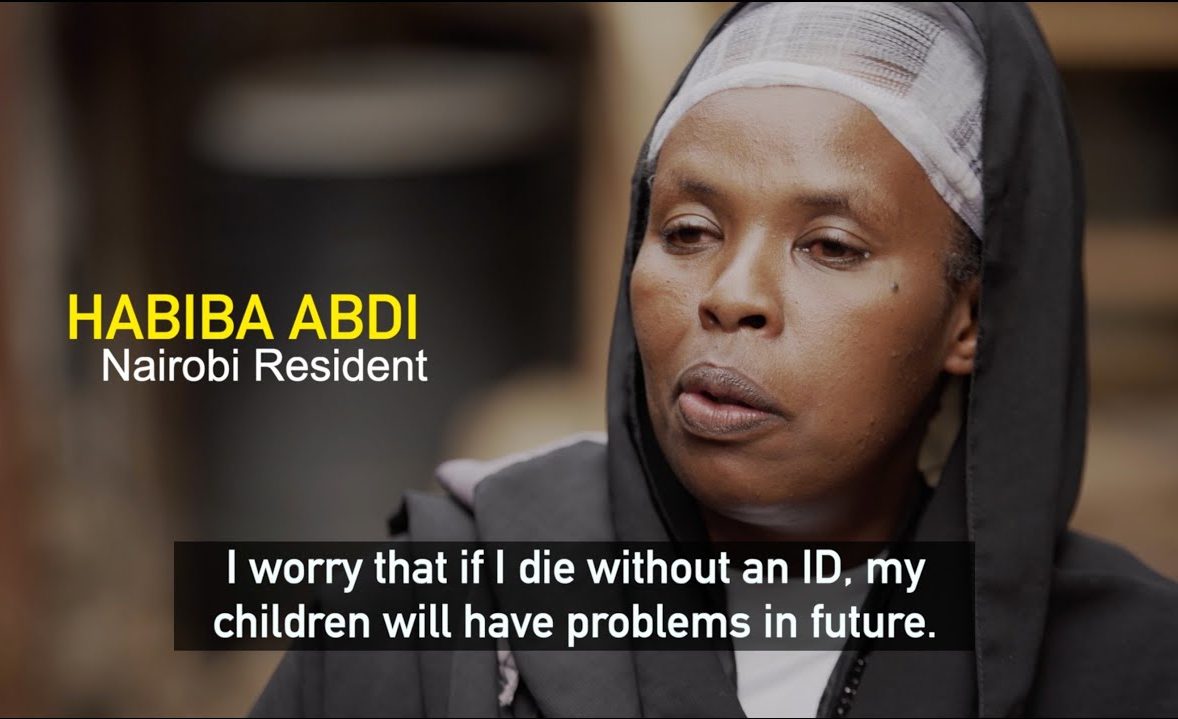
Roughly five million Kenyans face a discriminatory process when applying for national identity documents due to their ethnicity or religion. Without an ID, they cannot apply for a job, access health care, or vote. Rashid first sought to secure his ID card ahead of the 2017 elections. He didn’t get it, but he kept trying—for six years. “I have lost so many job opportunities and so many chances because of not having an ID card,” says Rashid.
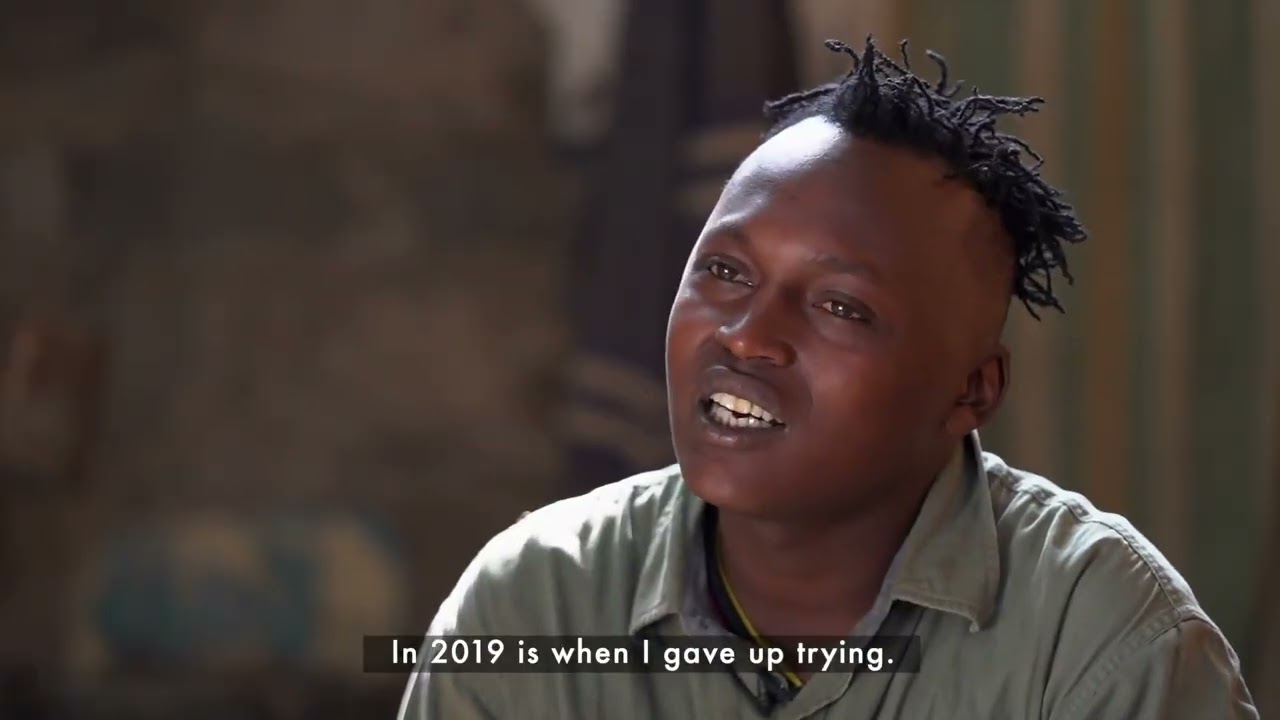
ID Vetting in Kenya: An Unending Limbo
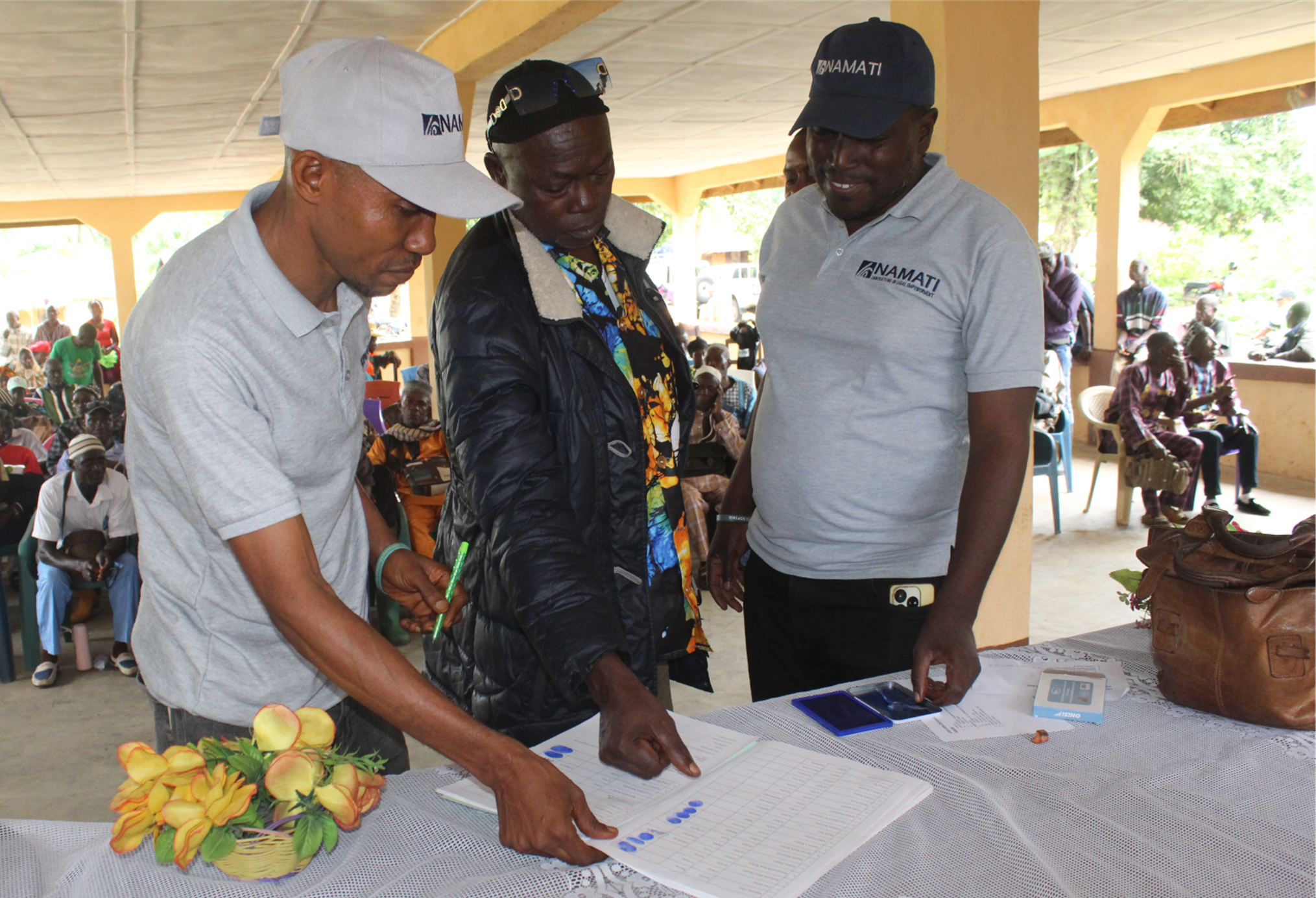
Community paralegals help people like Rashid to navigate the bureaucratic system and secure identity documents. These cases, and the thousands that preceded them, are the foundation on which we are building a diverse, national movement to advocate for equal citizenship rights. Together, we are fighting for a society where everyone—regardless of their religion or ethnicity—belongs. Learn more about Namati’s Citizenship Justice program here.
In 2025, the president of Kenya recognized the discriminatory nature of the ID system and ended vetting—an unconstitutional step in the application process that only people of certain ethnic or religious backgrounds were subjected to.
This was a major milestone. When we first began tackling citizenship discrimination in 2013, the government denied that vetting even existed, and the issue was largely invisible to the public. Though the formal system has changed, the new application process risks enabling vetting-like discrimination in practice, subjecting only Muslim-majority communities to ongoing layers of additional scrutiny. We continue to advocate for a process that is equal and just for all Kenyans.