Introduction
Although a 2008 ruling confirmed Urdu-speakers as Bangladeshi citizens, the community—numbering up to 300,000—still faces discrimination and struggles to access ID documents and basic services. Many are unaware of their rights, don’t know how to apply for IDs, or encounter discrimination during the process. As Bangladesh moves services online, including birth certificate applications, these essential documents have become even harder to access for Urdu-speakers and others without digital access or skills.
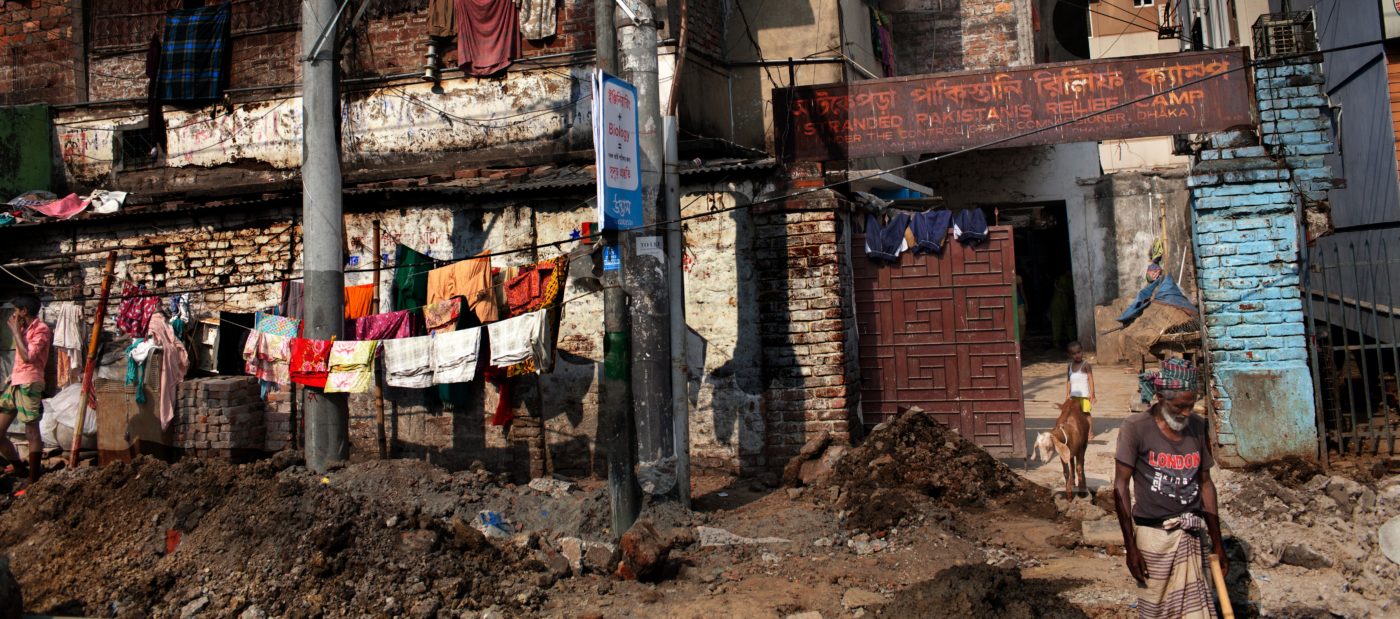
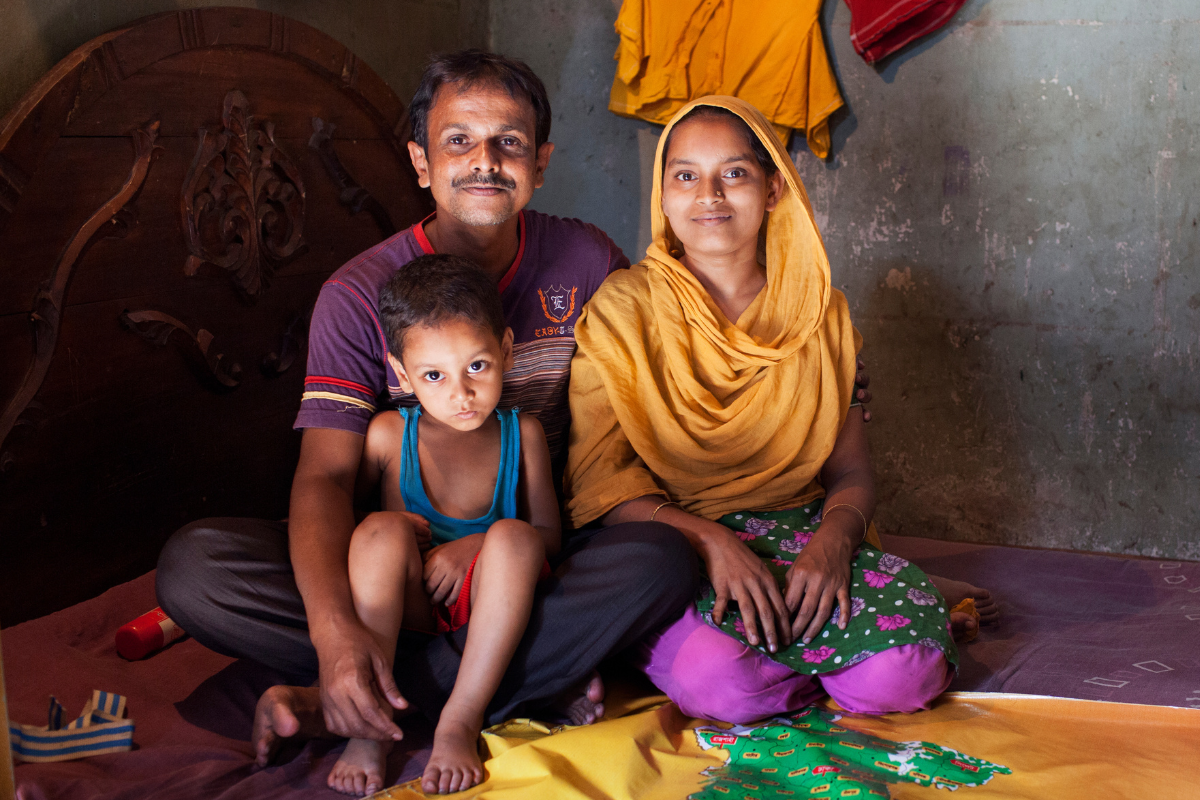
Adding to these challenges, Urdu-speaking citizens still live in 115+ urban “camps” built by the Red Cross in 1972. The conditions are harsh: cramped and unsafe housing, lack of private bathrooms, poor sanitation, insecurity, and gender-based violence.
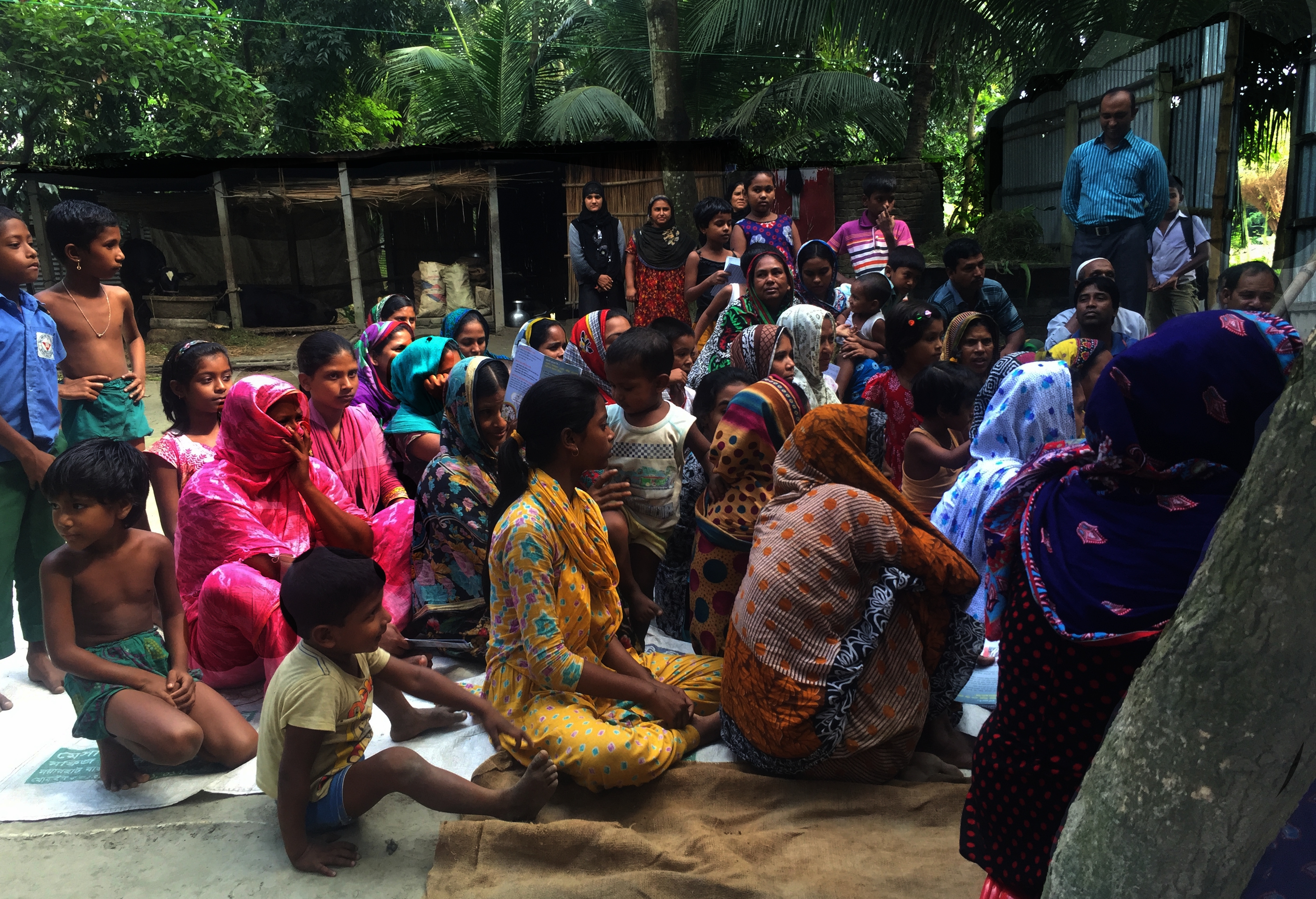
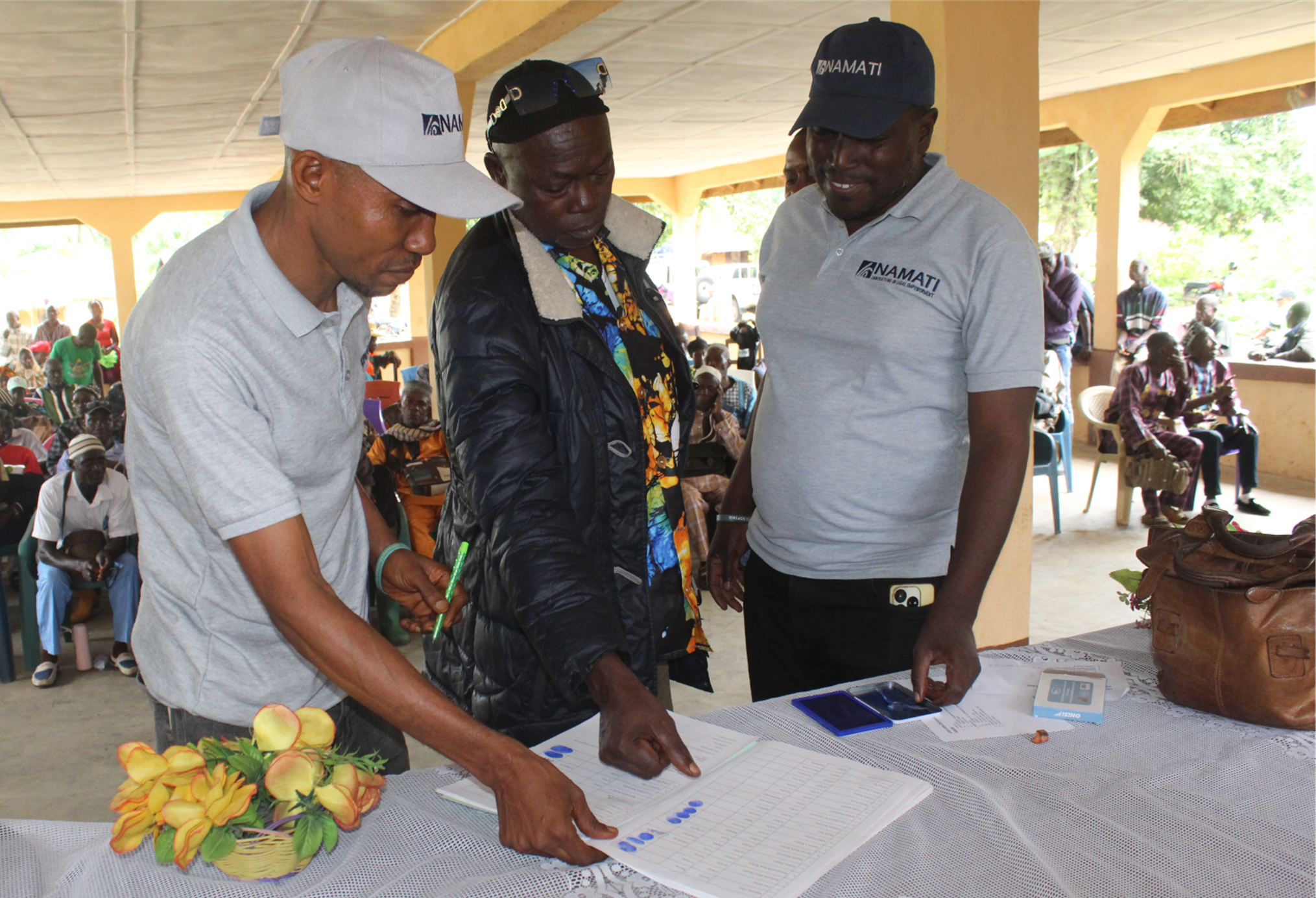
For over a decade, community paralegals in eight cities have used legal empowerment and advocacy to help Urdu-speakers secure vital ID documents and services. This work, done in partnership with the Council of Minorities, has successfully removed critical barriers, resolving delays in receiving birth certificates and improving access to passports. Crucially, easing access to documentation has opened doors to employment, education, and housing. Learn more about Namati’s Citizenship Justice program here.
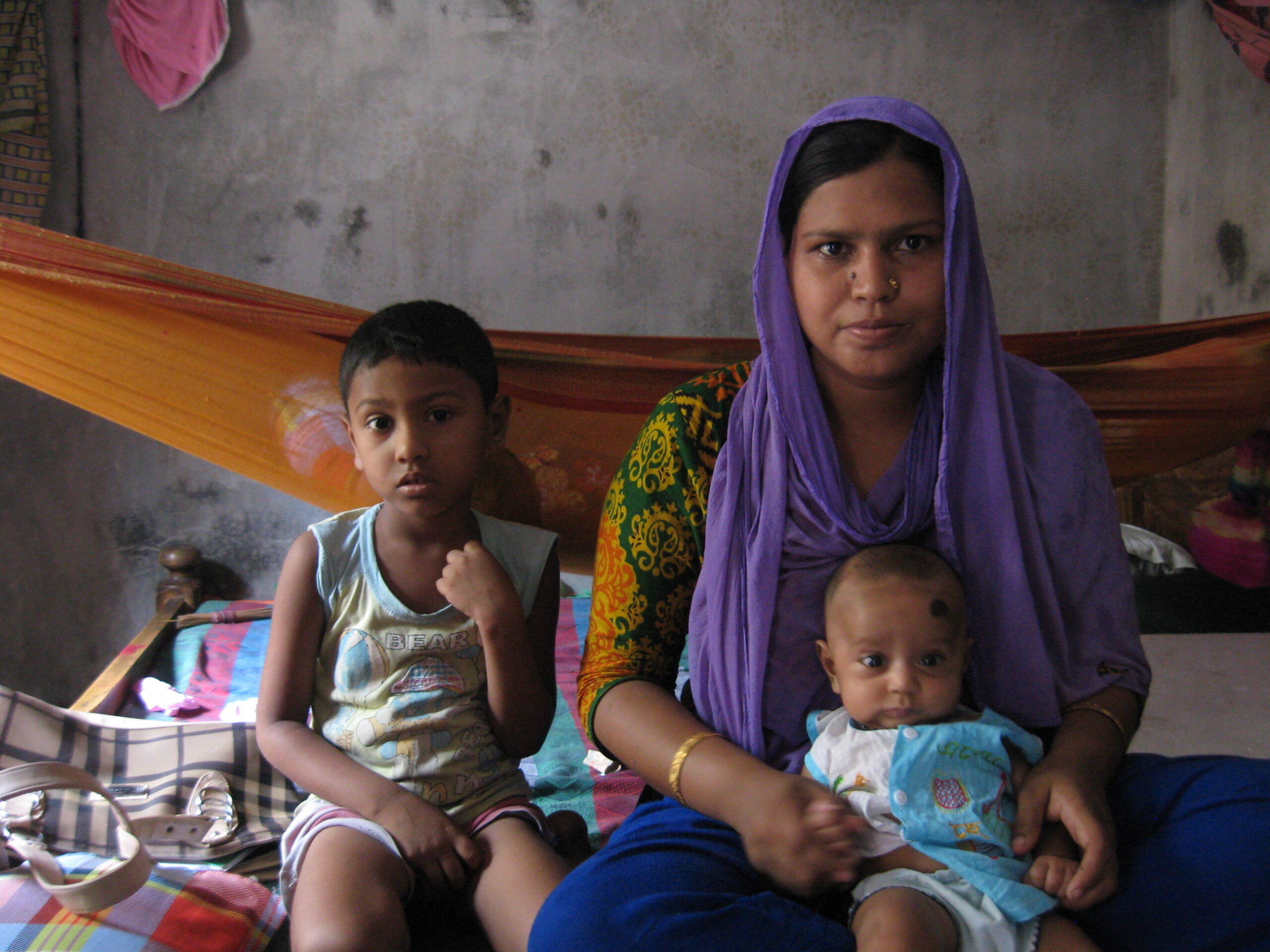
Living in a camp in Khulna, Ruma needed a birth certificate to enroll her daughter in school. After months of working with a community paralegal to navigate bureaucracy, gather documentation, and overcome intimidation, she was able to obtain the birth certificate.
“I got the certificate of my daughter and I can admit my daughter in school,” she said proudly. Read her full story here.