

Citizenship Justice
Citizenship discrimination is a fundamental barrier to justice.
Discrimination can be explicit in laws and policies or take the form of arbitrary requests and unequal treatment when applying for nationality or basic identification documents. This is a daily reality for millions of people around the world. Because of their ethnicity, religion, gender, language, or other identity, many people are denied citizenship, or have citizenship rights by law but are denied access to IDs.
Without citizenship or basic documents like birth certificates, ID cards, or passports, people cannot access essential services or participate in governance. Citizenship discrimination, therefore, is a threat to democracy.
Citizenship discrimination and its effects are often well known and tolerated at the highest levels of government. Furthermore, many governments are hastily layering a digital ID system on top of a flawed and discriminatory foundation, threatening to leave millions of people without ID cards even more behind.
Miriam Ramadhan refused to be left behind, even as she navigated an especially difficult path to obtaining an ID. She and her children spent decades without any form of identification because of discrimination in ID processes. With support from Namati and our partners, Miriam has obtained an ID card. Now, she can finally protect her children’s citizenship rights and create a better future for her family.
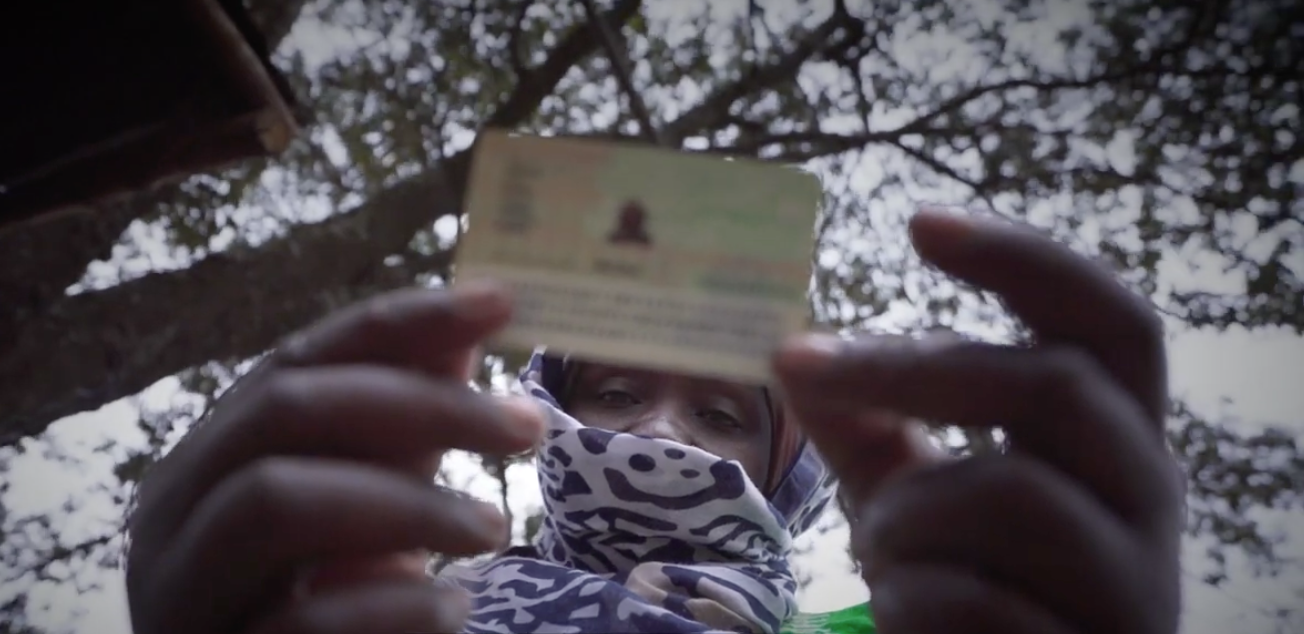
Breaking Barriers in Access to IDs: Miriam Ramadha’s Story
Our Approach
Namati and our partners support Muslim-majority ethnic groups in Kenya and Urdu-speaking communities in Bangladesh to combine the power of law and the power of organizing. With help from community paralegals—most of whom have faced citizenship discrimination themselves—members of marginalized communities know, use, and shape the law to overcome discrimination in accessing legal identity documentation.
Acquiring an ID card is only the beginning. Every time a paralegal helps a client like Miriam, the paralegal asks, “Will you join a movement of people to ensure an inclusive ID system for all Kenyans?” Drawing on the leadership and learning that emerge from these grassroots struggles, Namati, our partners, and communities affected by discrimination push for more just laws and practices. The movements we’ve catalyzed have achieved historic changes including, in Kenya, the abolishment in 2025 of the discriminatory vetting system that had been in place for decades. Our ultimate aim is to end discrimination in citizenship and identification systems.
Our work in Kenya and Bangladesh shapes our global impact. Drawing on our own lessons, and the experiences of Grassroots Justice Network members, we foster a community of practice applying legal empowerment approaches to citizenship rights, access to documentation, and inclusive transitions to digital identity. We learn from one another across borders and advocate together to improve global norms.
Impact
Across Kenya and Bangladesh, paralegals have partnered with community members to secure over 55,000 identity documents. The benefits of which extend to entire households—enabling children to enroll in school and families to access essential services—improving the lives of more than 71,000 people overall.
55,000+
identity documents secured
71,000+
lives improved

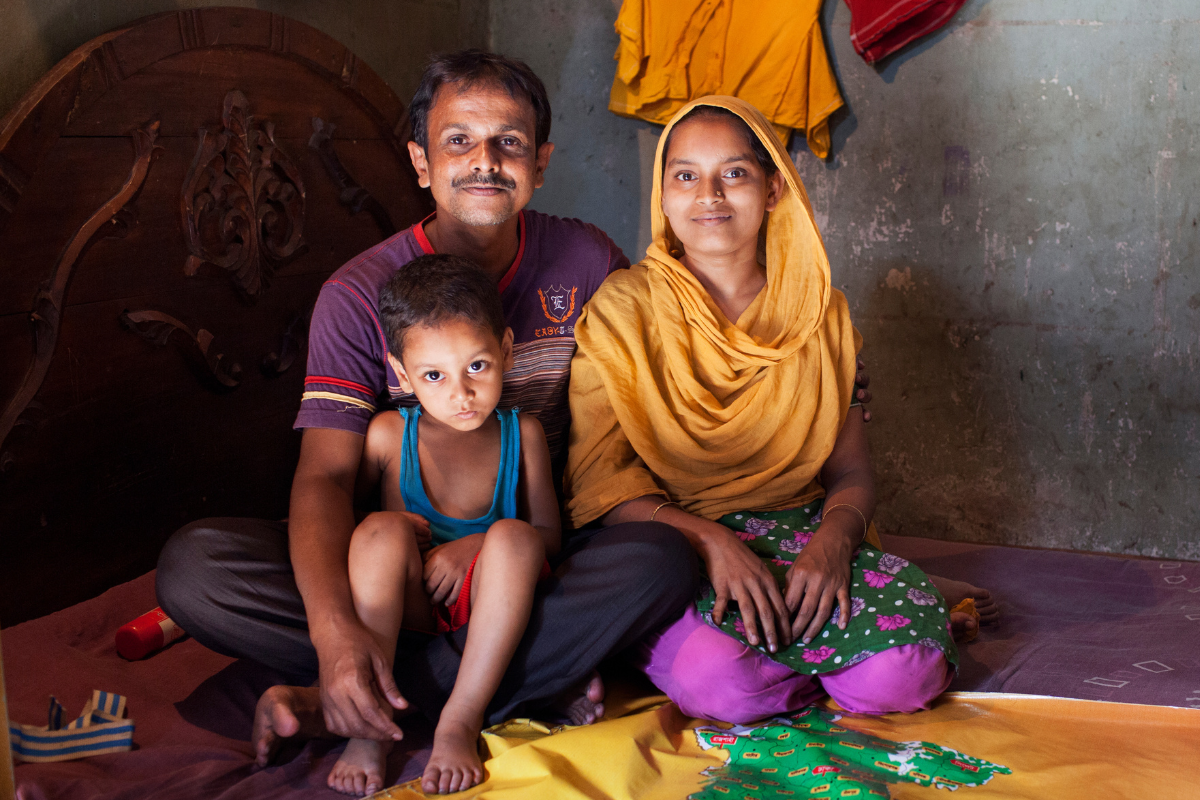

We dreamed it. We did it. Kenya Abolishes ID Vetting.
In February 2025, Kenya’s President William Ruto signed a groundbreaking executive order abolishing the discriminatory practice of ID vetting, a significant step following years of advocacy by Namati Kenya, partner civil society organizations and grassroots communities.